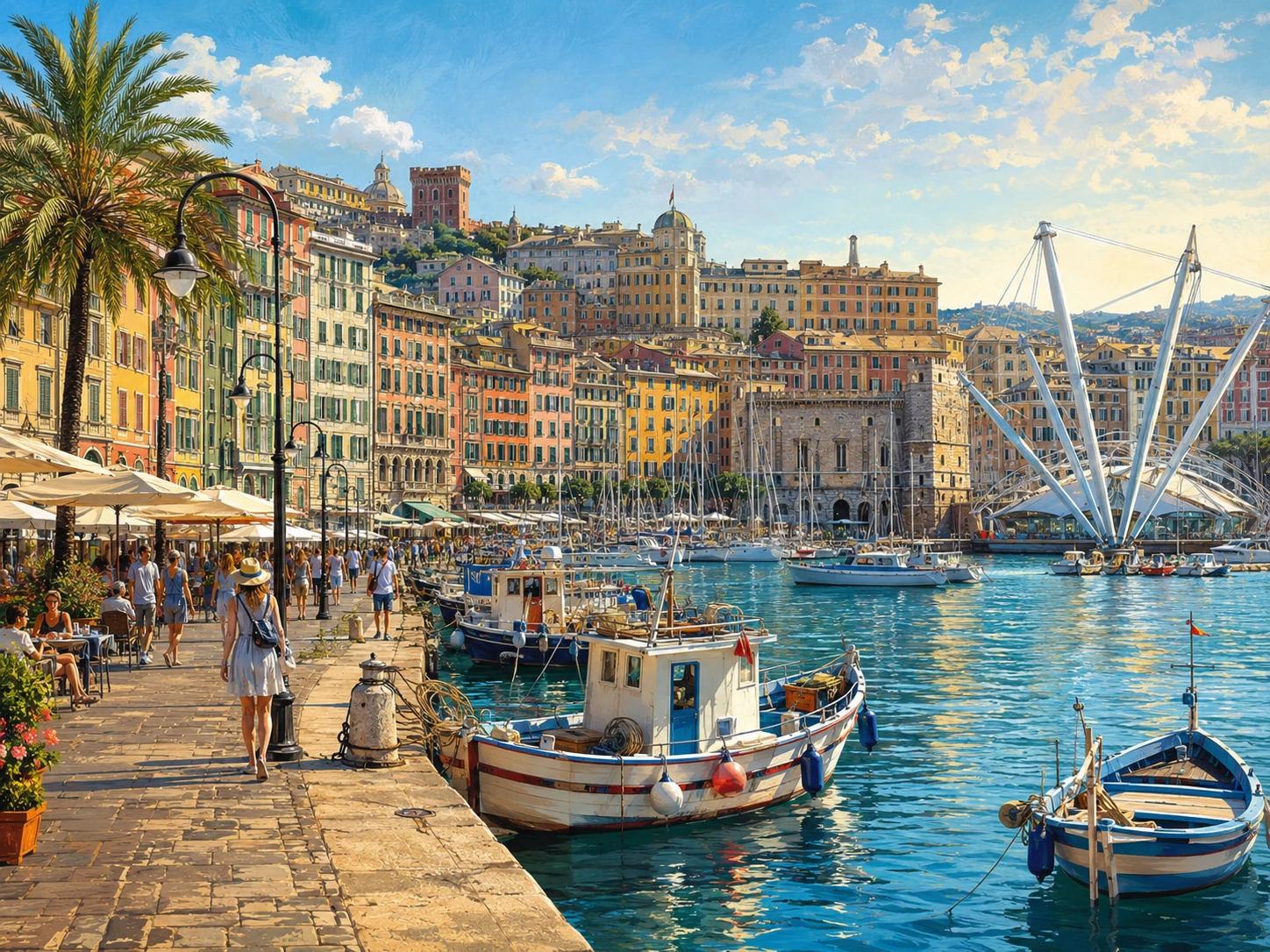
Porto Antico
Genoa's renovated old harbor combines boats, museums, cafes, public spaces, and waterfront views.
ITALY COASTAL CITY GUIDE
Grand palaces. Hidden lanes. A city shaped by the sea.
Genoa combines a vast historic center, aristocratic palaces, working-port energy, panoramic hills, colorful fishing villages, and easy access to the Ligurian coast. This guide helps you explore the city's famous sights without missing its narrow lanes, local food traditions, and quieter waterfront corners.
Six Genoa highlights worth building your first itinerary around.
Genoa's renovated old harbor combines boats, museums, cafes, public spaces, and waterfront views.
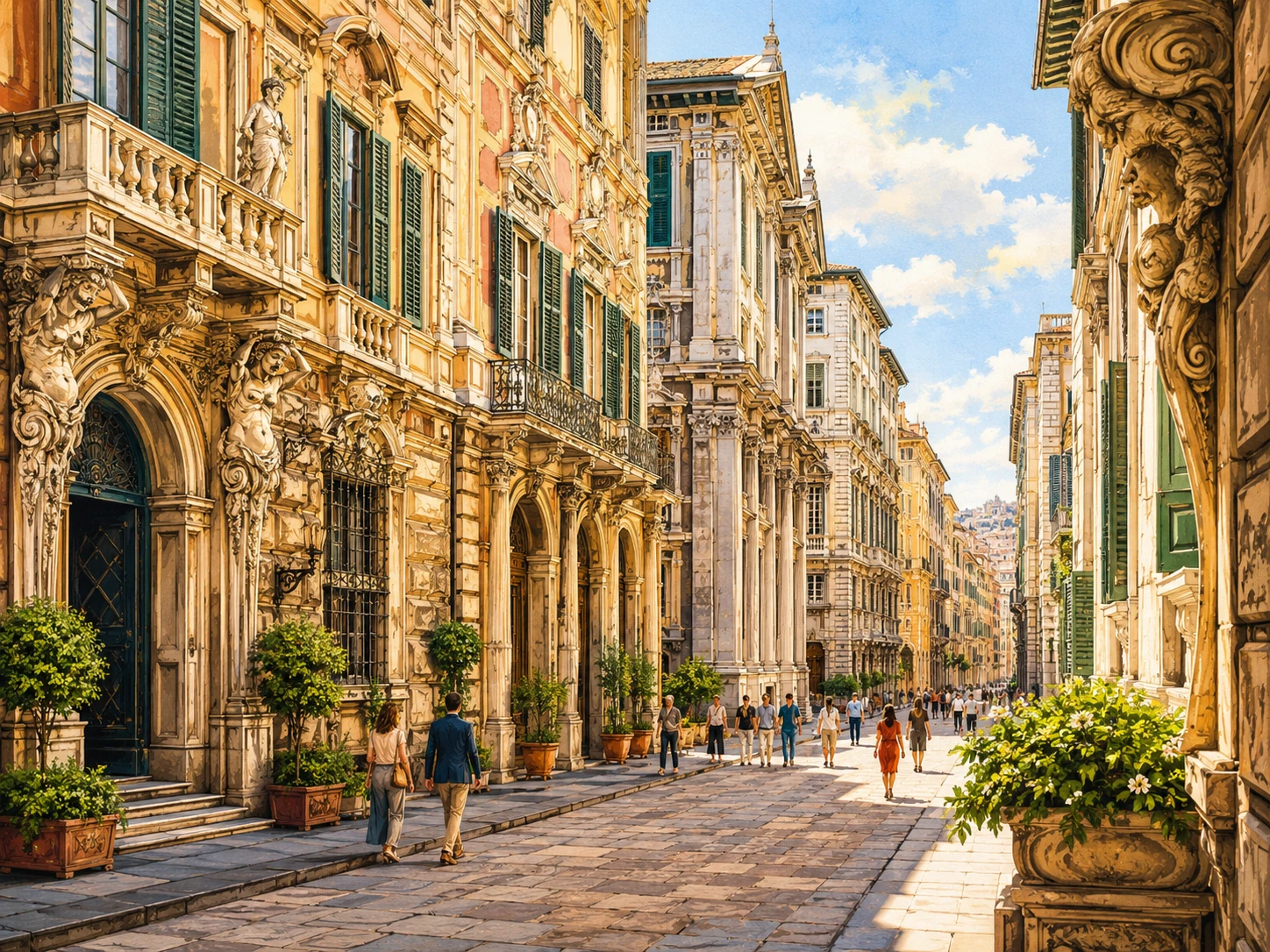
A grand street lined with Renaissance and Baroque palaces once used to host visiting dignitaries.
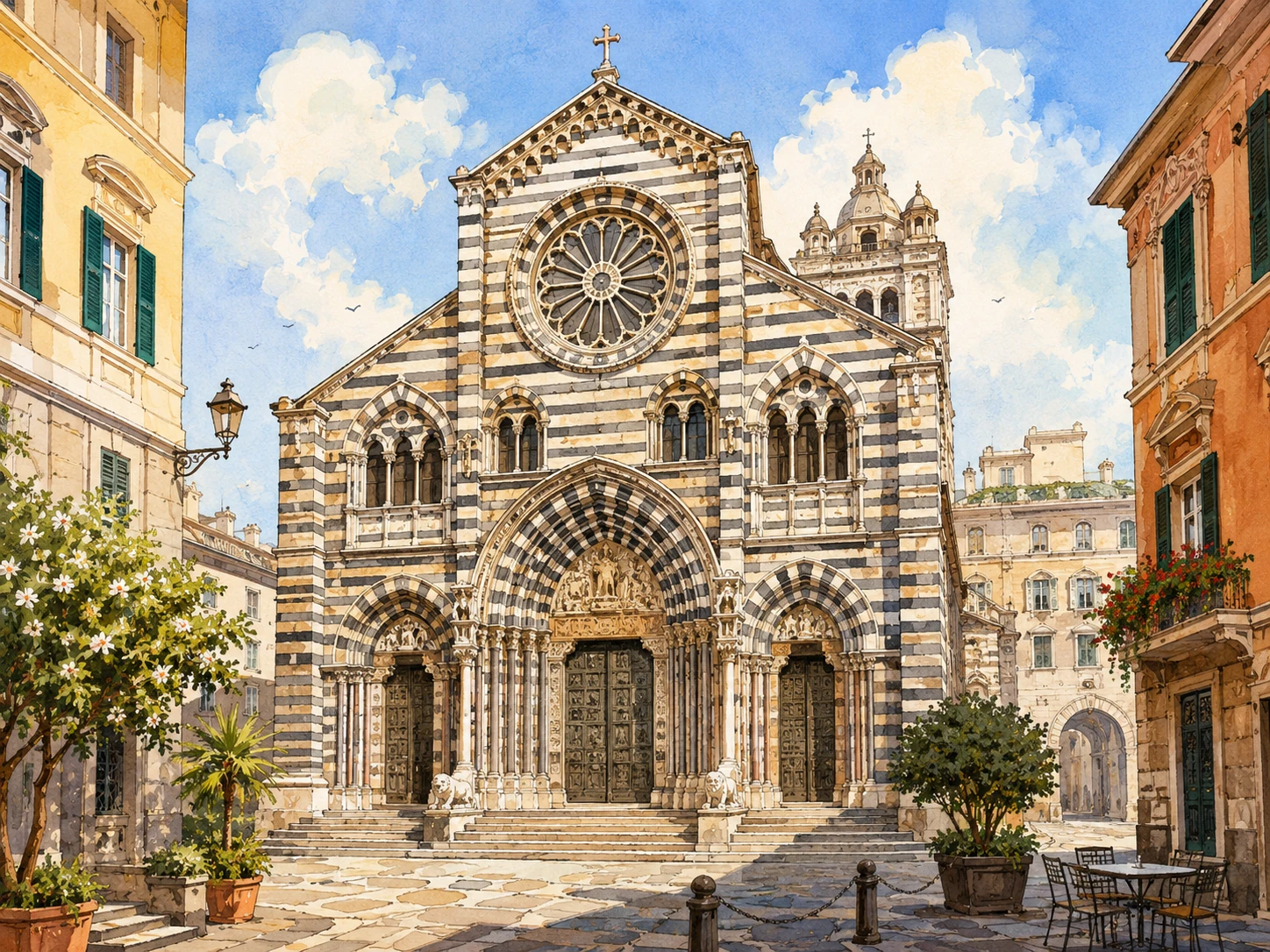
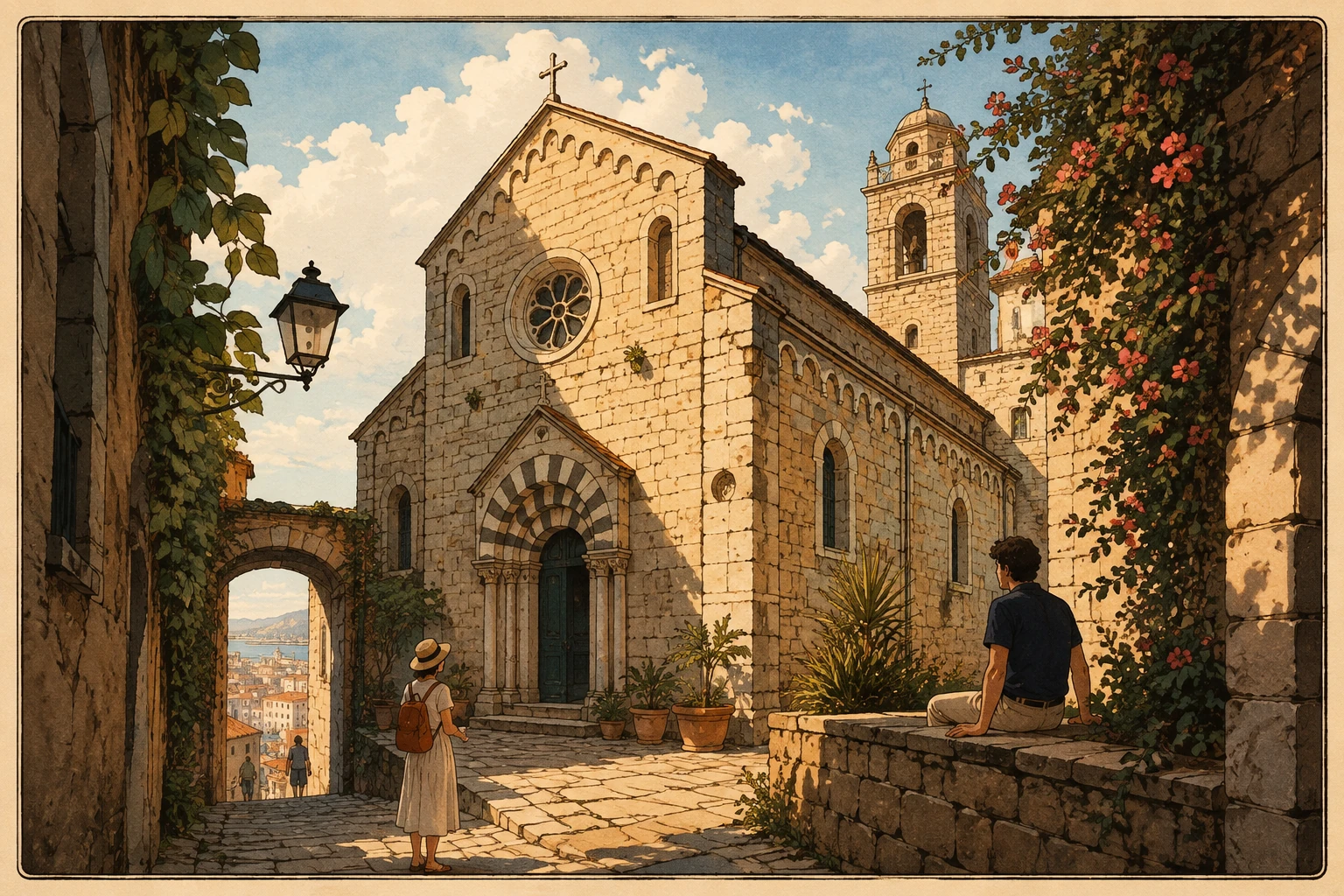
The Cathedral of San Lorenzo is known for its striped facade, medieval details, chapels, and central old-town location.

One of Europe's largest aquariums, with marine habitats, sharks, dolphins, tropical species, and family-friendly exhibits.
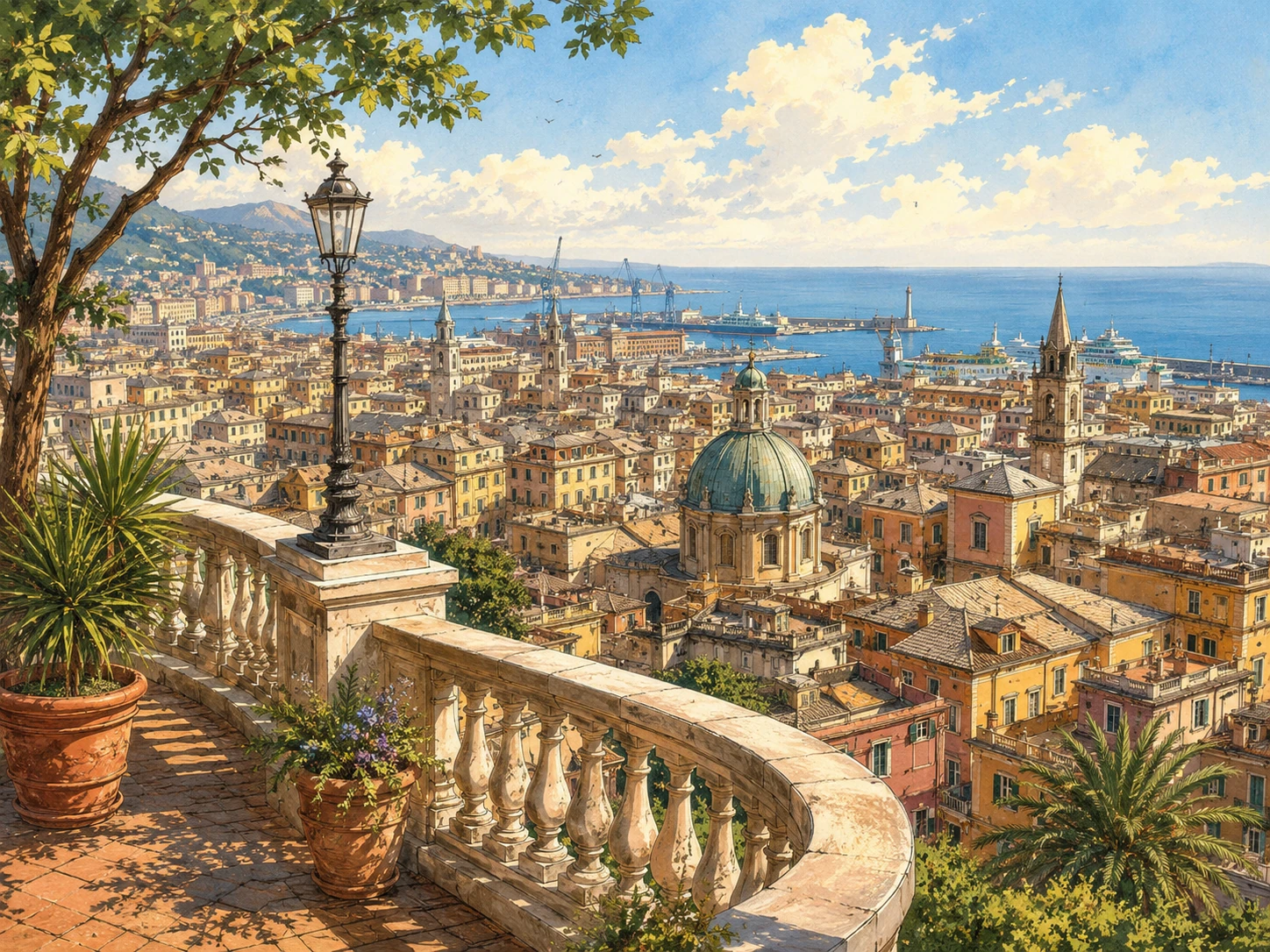
A panoramic terrace above the historic center with wide views over rooftops, churches, hills, and the harbor.
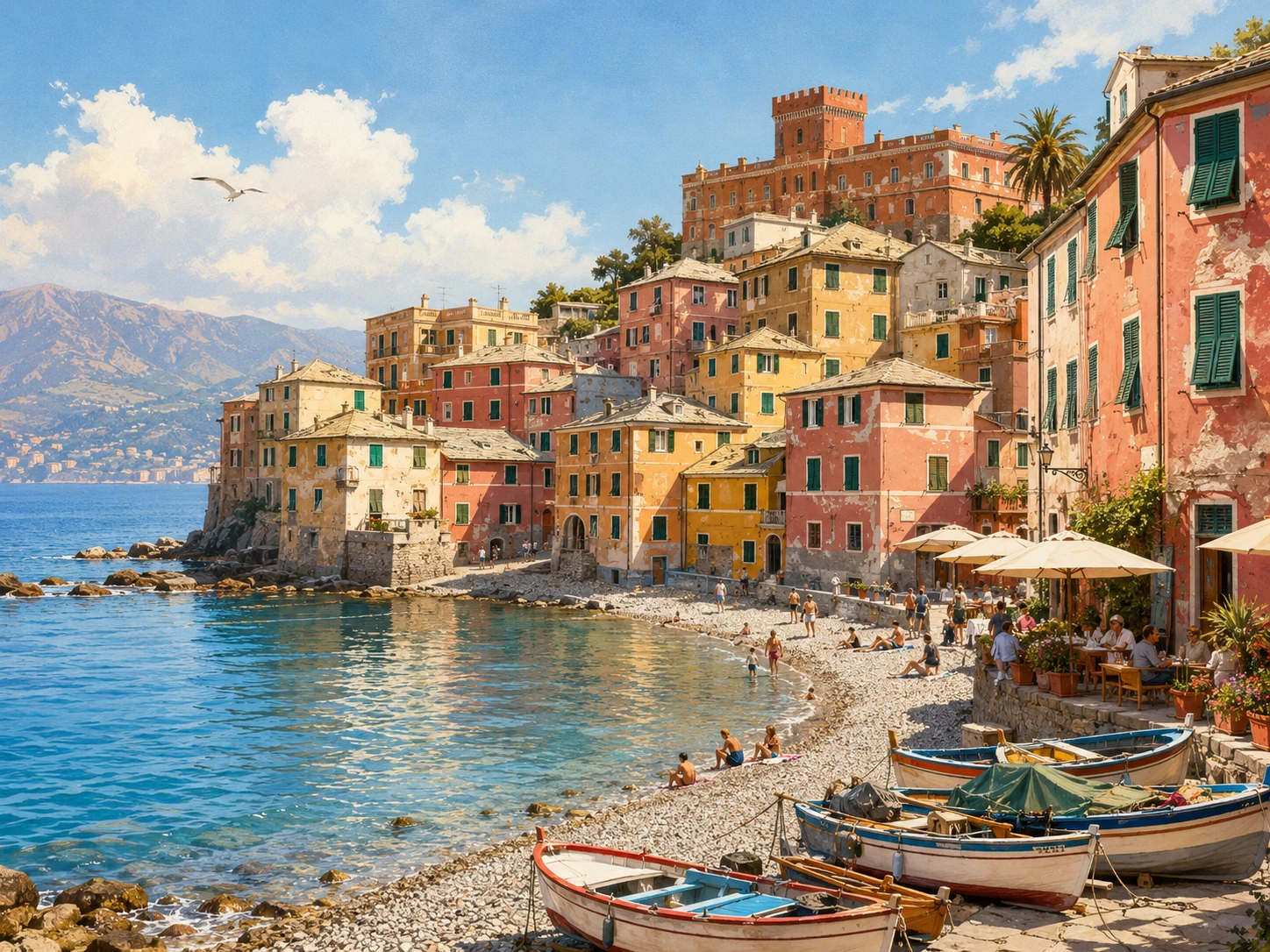
A colorful former fishing village with a pebble beach, small boats, cafes, and a relaxed seaside atmosphere.
Local tip: Balance Porto Antico with the old-town lanes and at least one viewpoint so Genoa feels like more than a harbor stop.
Four practical routes for Genoa's historic core, palaces, waterfront, Boccadasse, and Portofino.
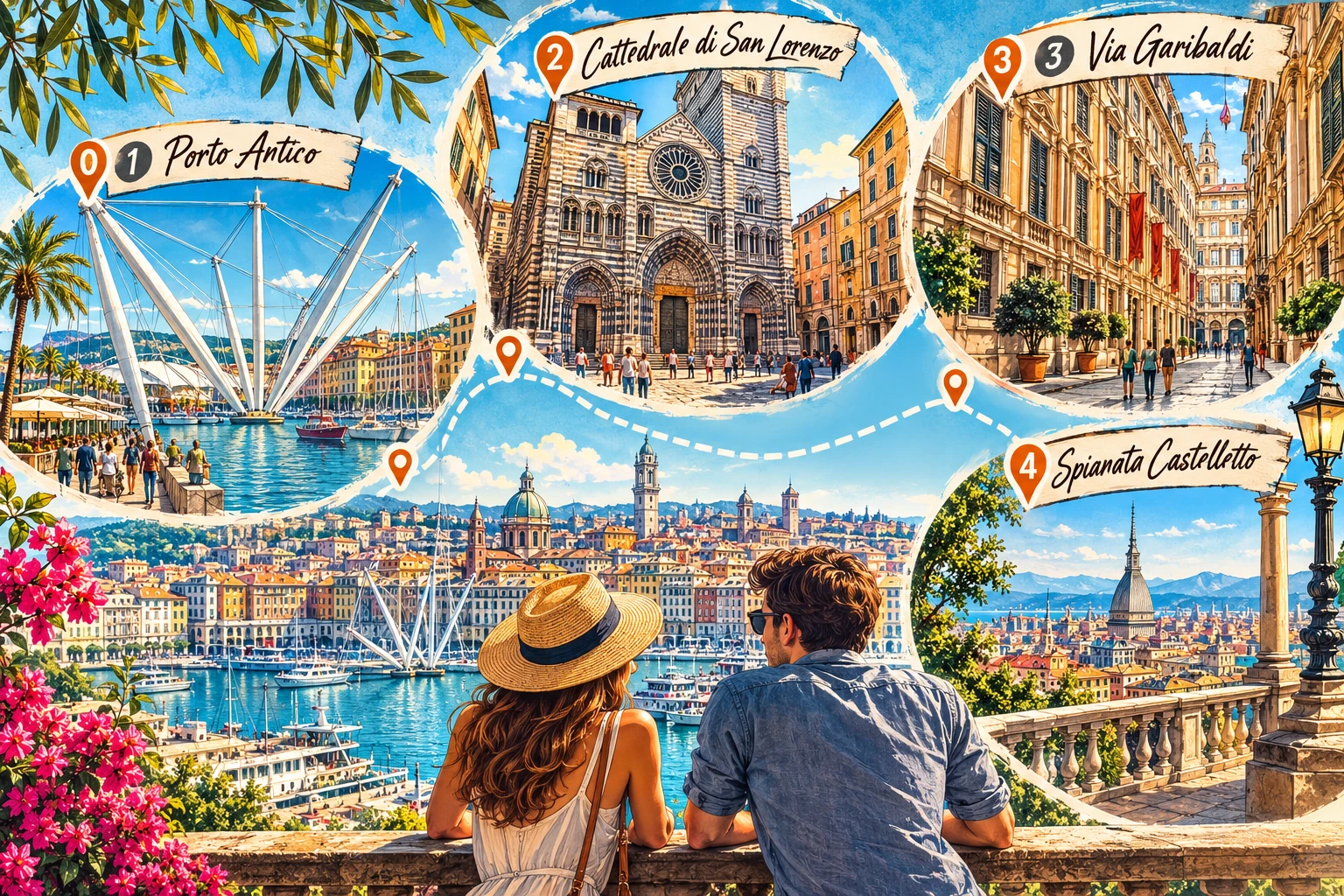
Piazza De Ferrari -> Genoa Cathedral -> old town lanes -> Porto Antico -> Spianata Castelletto
Best for: First-time visitors with limited time
Time: 4-5 h
Do not miss: The lift to Spianata Castelletto
Plan classic Genoa route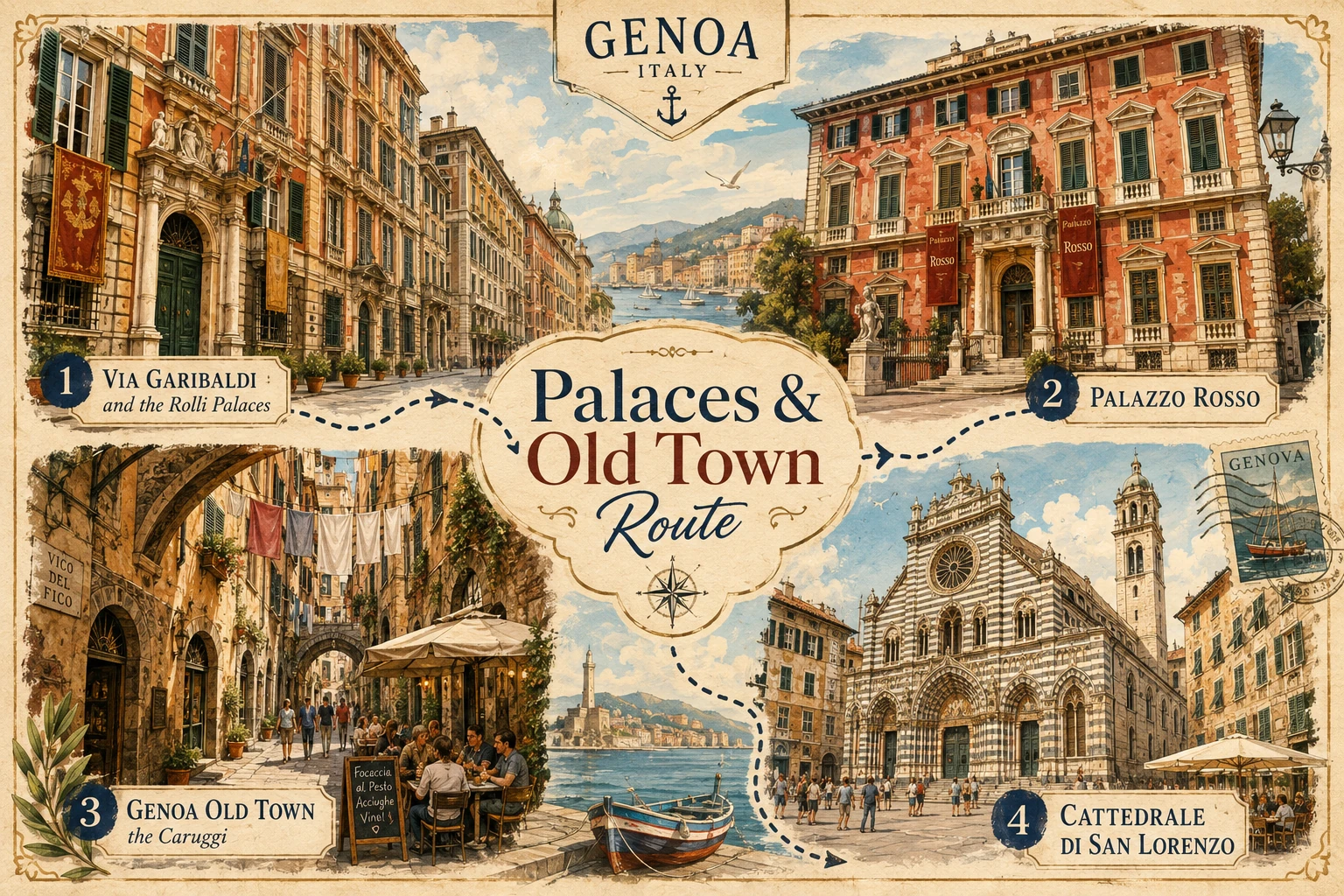
Piazza De Ferrari -> Via Garibaldi -> Palazzo Rosso -> Palazzo Bianco -> caruggi -> San Lorenzo
Best for: Architecture, art, and Genoa's historic center
Time: Half day
Do not miss: At least one Rolli palace interior
Plan palace route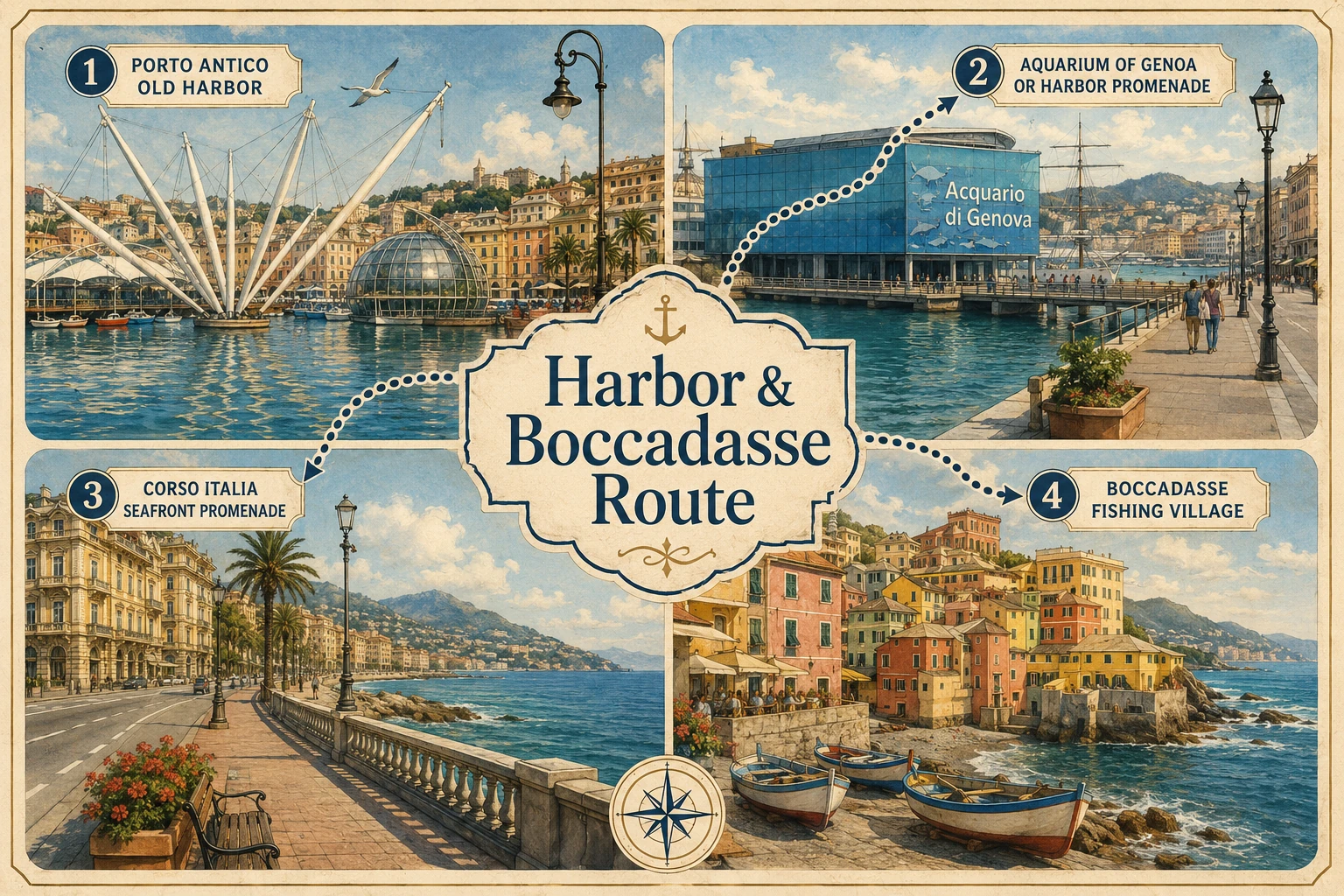
Porto Antico -> Corso Italia -> Boccadasse -> seaside cafes
Best for: Waterfront views, walking, and a relaxed afternoon
Time: Half day
Do not miss: Sunset in Boccadasse
Plan coastal route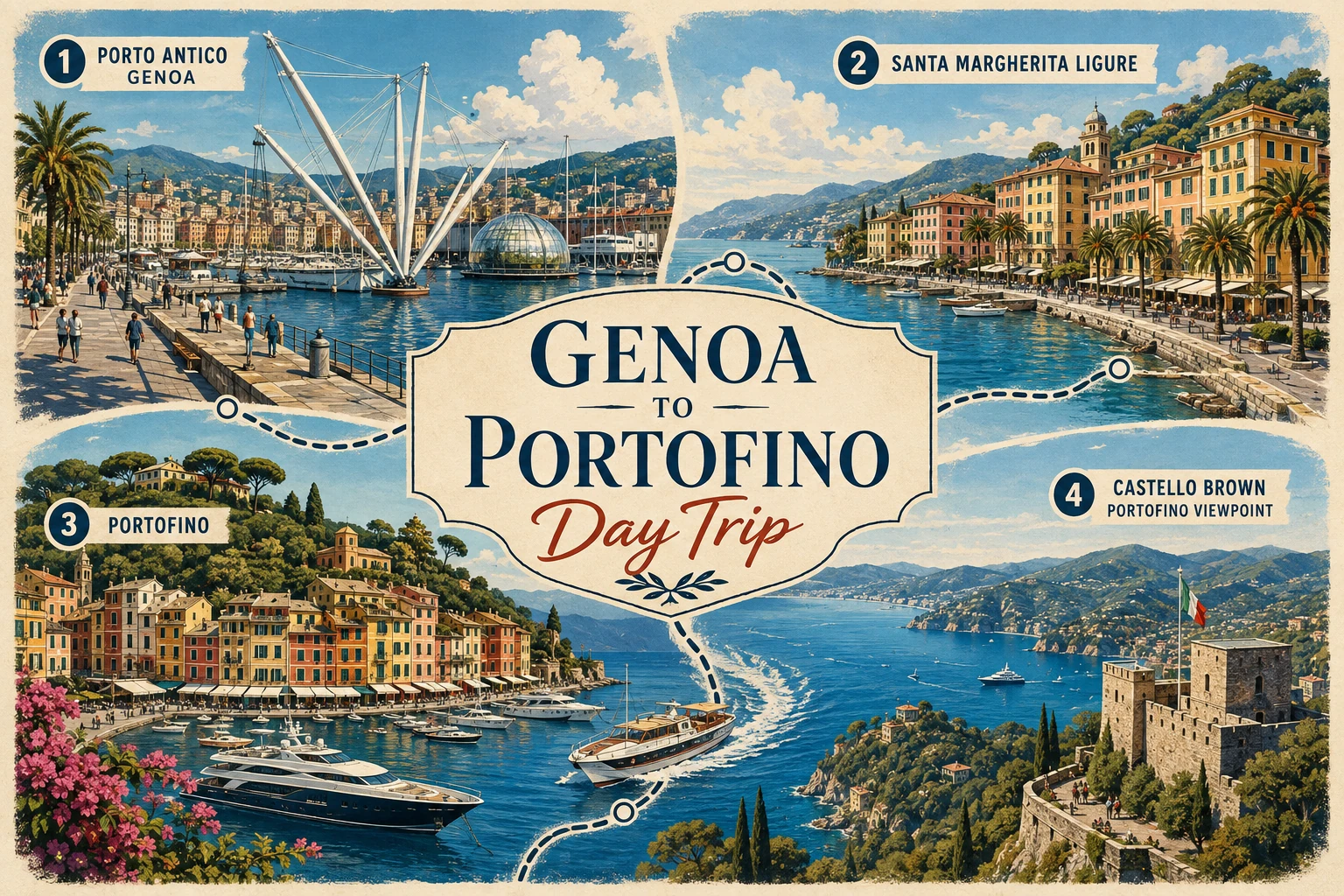
Genoa -> Santa Margherita Ligure -> Portofino -> Castello Brown viewpoint
Best for: A classic Ligurian coast day trip
Time: Full day
Do not miss: The harbor view from above Portofino
Plan Portofino day tripExperience Genoa through guided walks, palace interiors, Ligurian food, the aquarium, boat views, and coastal day trips.
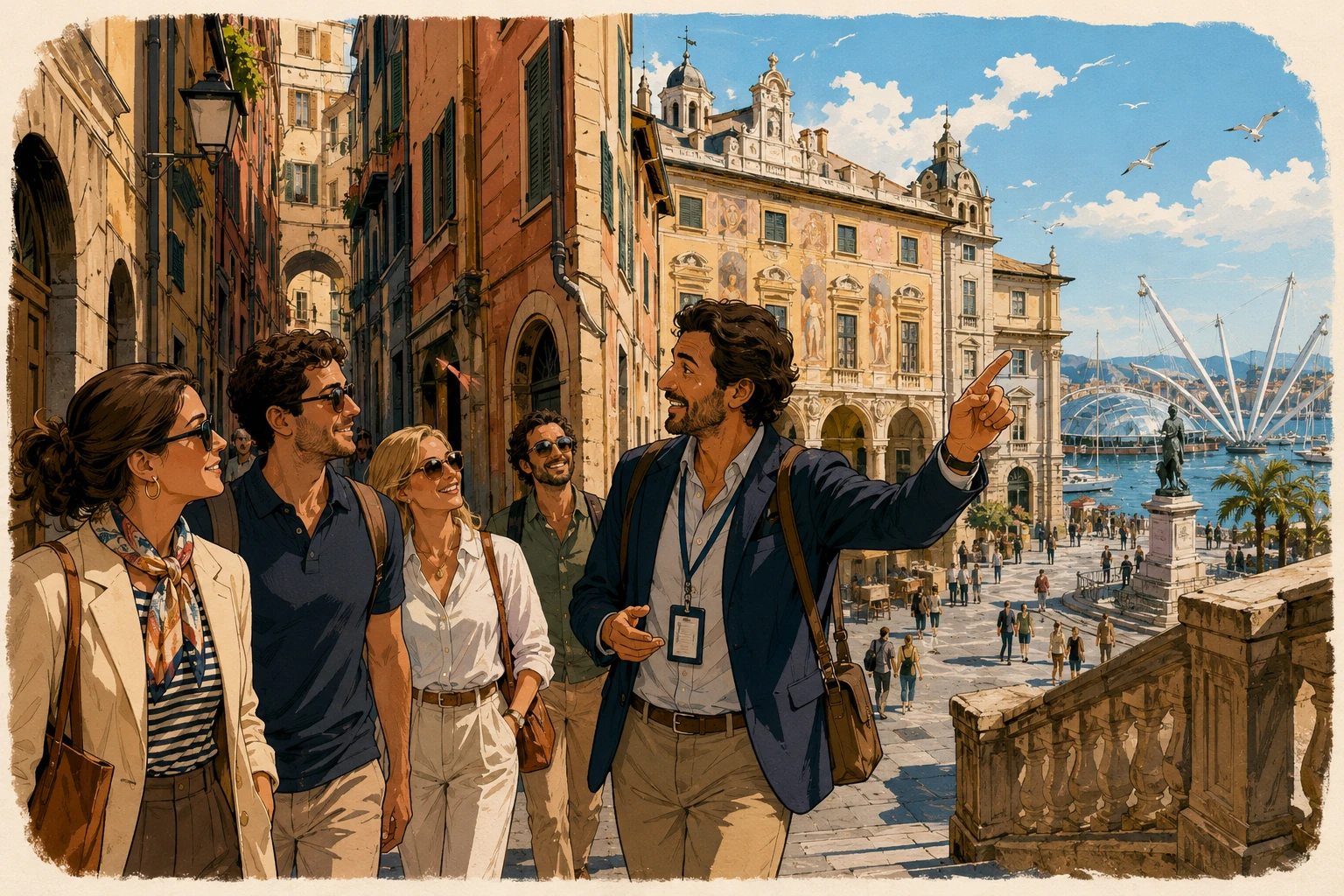
Explore the old town, major squares, palaces, hidden lanes, churches, and harbor with local context.
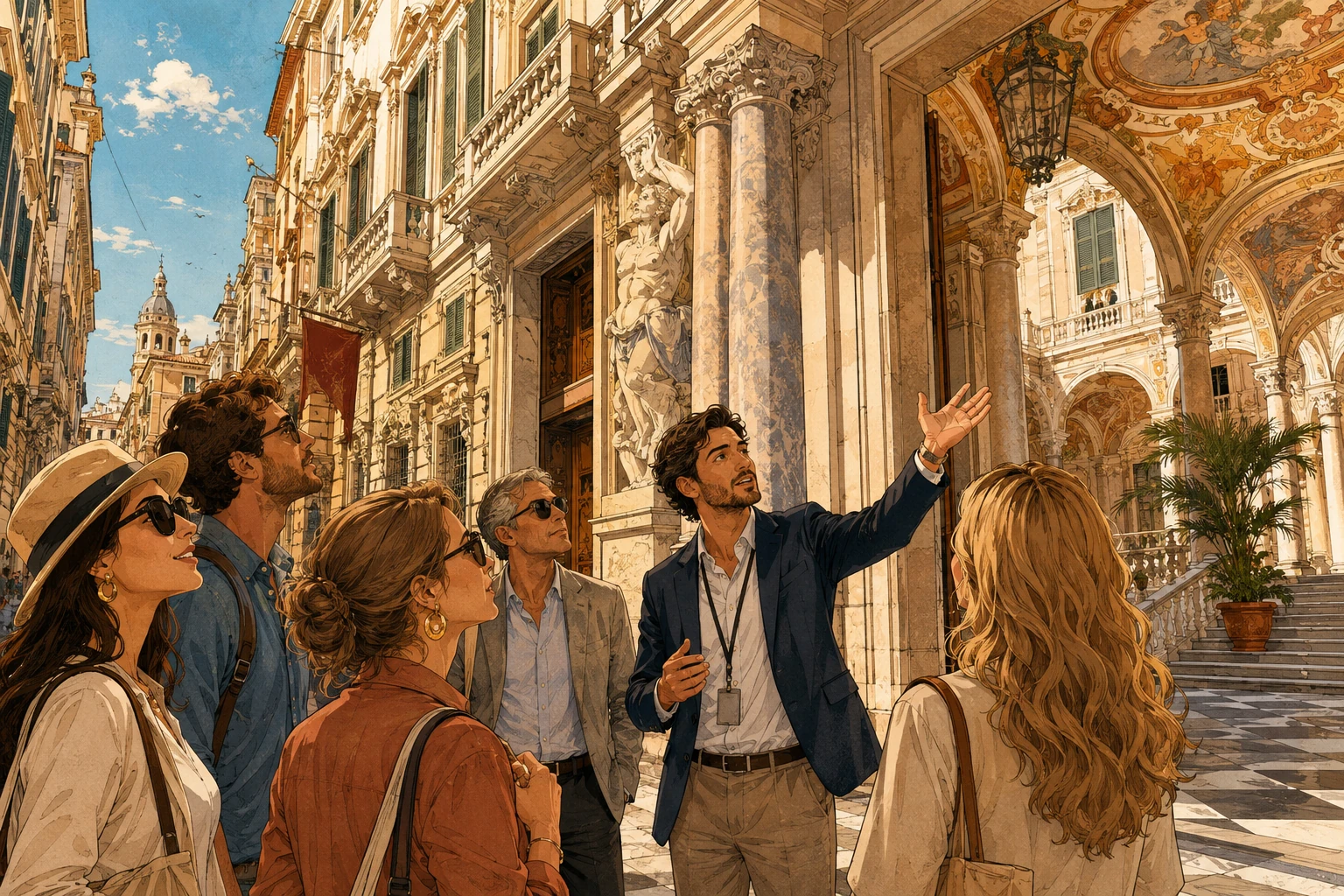
Enter selected palace interiors and learn how Genoa's noble families displayed wealth, art, and political influence.
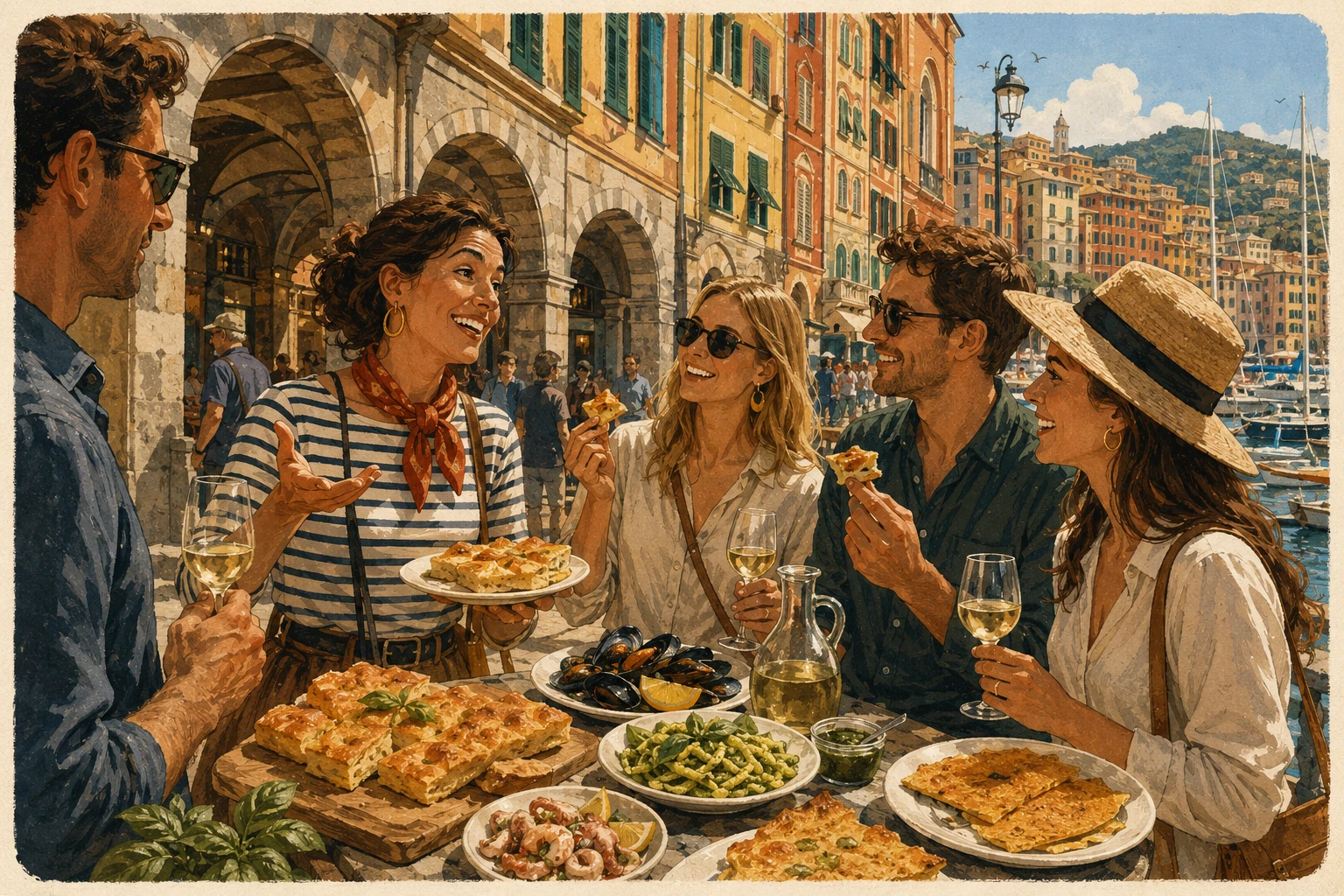
Taste focaccia, pesto, farinata, local cheeses, cured meats, pastries, wine, and Ligurian specialties.
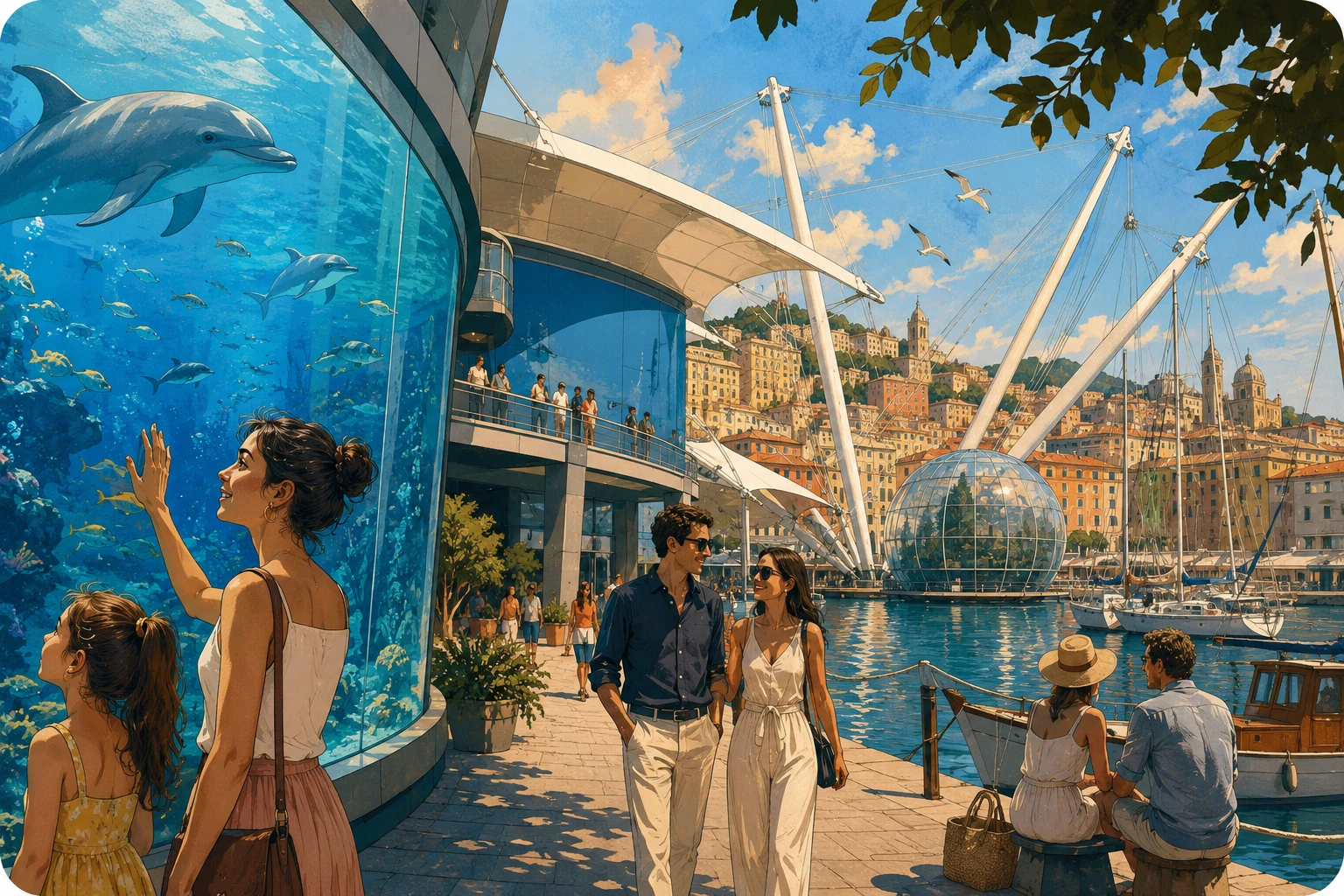
Visit the Aquarium, walk through Porto Antico, see maritime attractions, and enjoy the waterfront atmosphere.
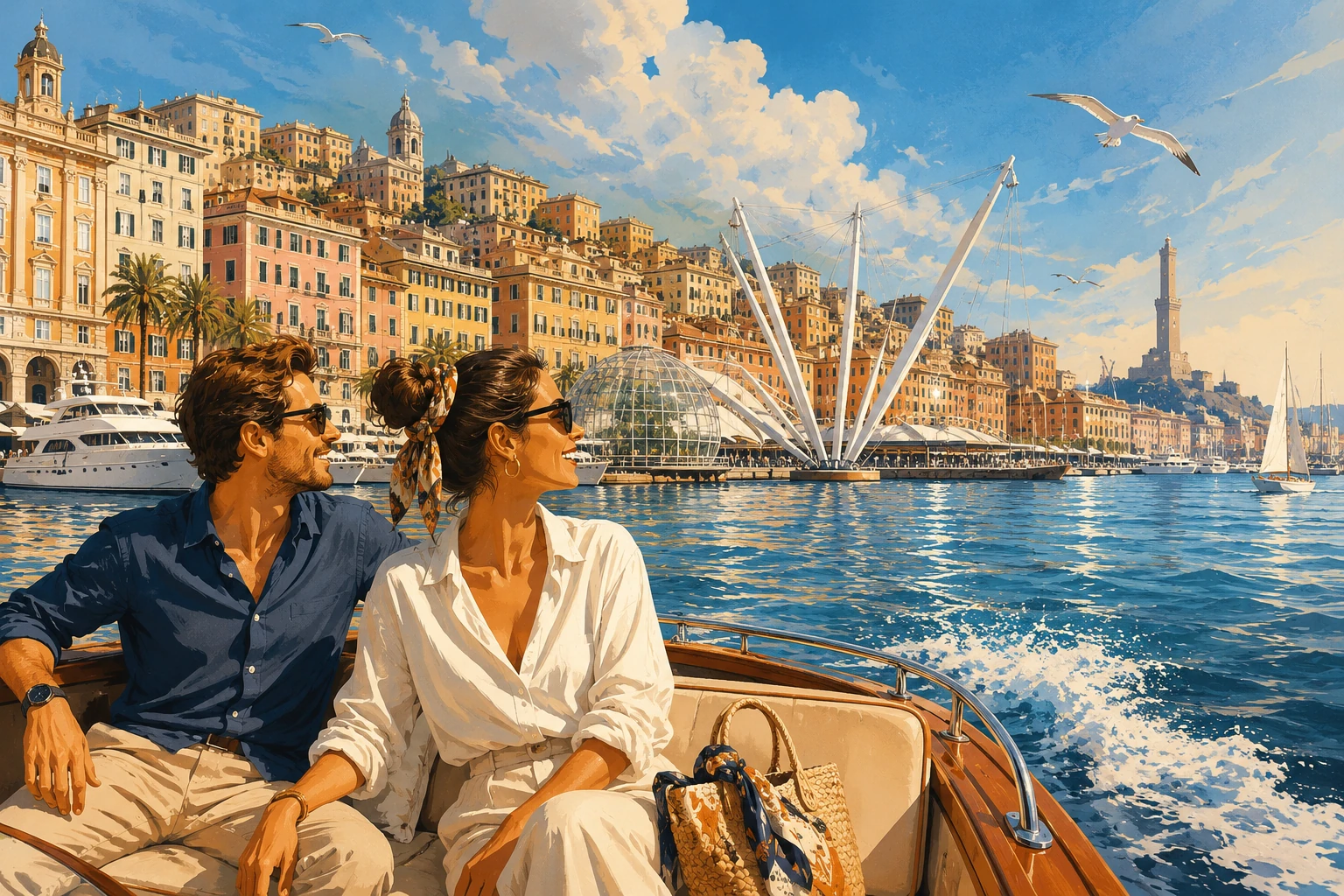
Set out from Genoa with a marine biologist to explore the Pelagos Sanctuary and look for dolphins, whales, and other wildlife.
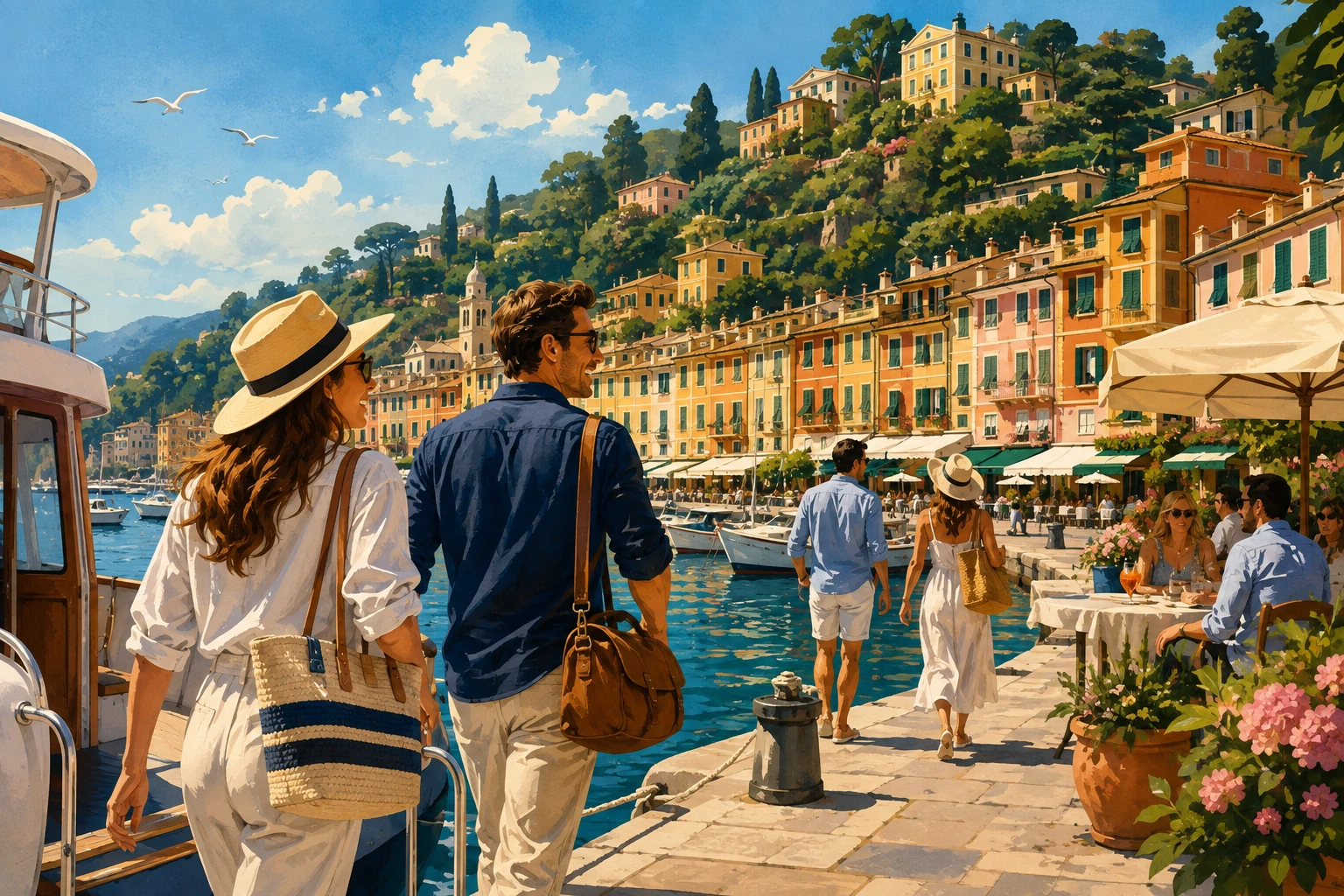
Travel along the coast to explore Portofino's harbor, narrow lanes, viewpoints, and nearby seaside towns.
Coastal rhythm: Start early for museums and palaces, then let the harbor or Boccadasse slow the afternoon down.
Sort out the practical essentials first - connectivity, flights, sightseeing transport, and city access - then spend your time on Genoa itself.
CONNECTIVITY
Set up mobile data before arrival so maps, train times, restaurant bookings, and messages work from day one.
GETTING THERE
Compare connections from London to Genoa Airport and choose the timing that works best for your city break.
SIGHTSEEING
Use two flexible sightseeing routes to connect the historic center, Porto Antico, Corso Italia, and Boccadasse.
CITY PASS
Compare 24-, 48-, and 72-hour options for public transport and selected museums or attractions.
EXPERIENCES
Compare popular tours, tickets and experiences for your trip.
Choose between old-town atmosphere, harbor convenience, transport access, or quieter seaside evenings.
Best for: First-time visitors, palaces, churches, and old-town atmosphere
Why stay here: Easy access to Piazza De Ferrari, Via Garibaldi, San Lorenzo, restaurants, and the caruggi.
Downside: Some lanes can feel noisy, steep, or confusing at night.
Find hotels in Historic CenterBest for: Aquarium visits, harbor views, and family trips
Why stay here: Close to the Aquarium, waterfront, maritime museums, restaurants, and public transport.
Downside: Less atmospheric than the deepest old-town lanes.
Find hotels near Porto AnticoBest for: Transport, shopping, and convenient city access
Why stay here: Good connections, easier luggage handling, and quick access to the historic center.
Downside: More traffic and less intimate atmosphere.
Find hotels near Piazza De FerrariBest for: Sea views, quieter evenings, and a residential atmosphere
Why stay here: Close to the waterfront, Corso Italia, beaches, cafes, and Boccadasse.
Downside: Farther from major museums and the old port.
Find hotels near BoccadasseLocal tip: First-time visitors usually do best near the historic center or Porto Antico, then use buses, lifts, and trains for wider exploring.
The quick choices that make a first Genoa trip easier.
Enough time for the old town, palaces, harbor, viewpoints, and one coastal side trip.
Comfortable weather for harbor walks, viewpoints, Boccadasse, and Ligurian day trips.
Stay close to the old town, Via Garibaldi, Porto Antico, and transport links.
The busiest attractions and coastal excursions are smoother with advance planning.
Walk the center, use lifts for hills, buses for Boccadasse, and trains for the coast.
Genoa rewards travelers who like layered cities, local food, and sea-facing routes.
Small habits that help you enjoy Genoa's hills, lanes, palaces, food, and coast more naturally.
Genoa rises quickly from the sea, and even short walks can include stairs or slopes.
Tip: Lifts and funiculars can save time and energy.
The narrow old-town lanes are dense, atmospheric, and easier when you stop navigating every second.
Tip: Getting slightly lost is part of the experience.
Via Garibaldi is impressive from the street, but the interiors change the whole story.
Tip: The palace rooms reveal the real grandeur.
Warm focaccia is part of Genoa's everyday rhythm.
Tip: Many locals eat it for breakfast or as a quick snack.
Busy lanes, stations, and waterfront areas deserve normal big-city awareness.
Tip: Stay aware in crowded lanes and around major transport areas.
The city's terraces and hilltop sights depend on visibility.
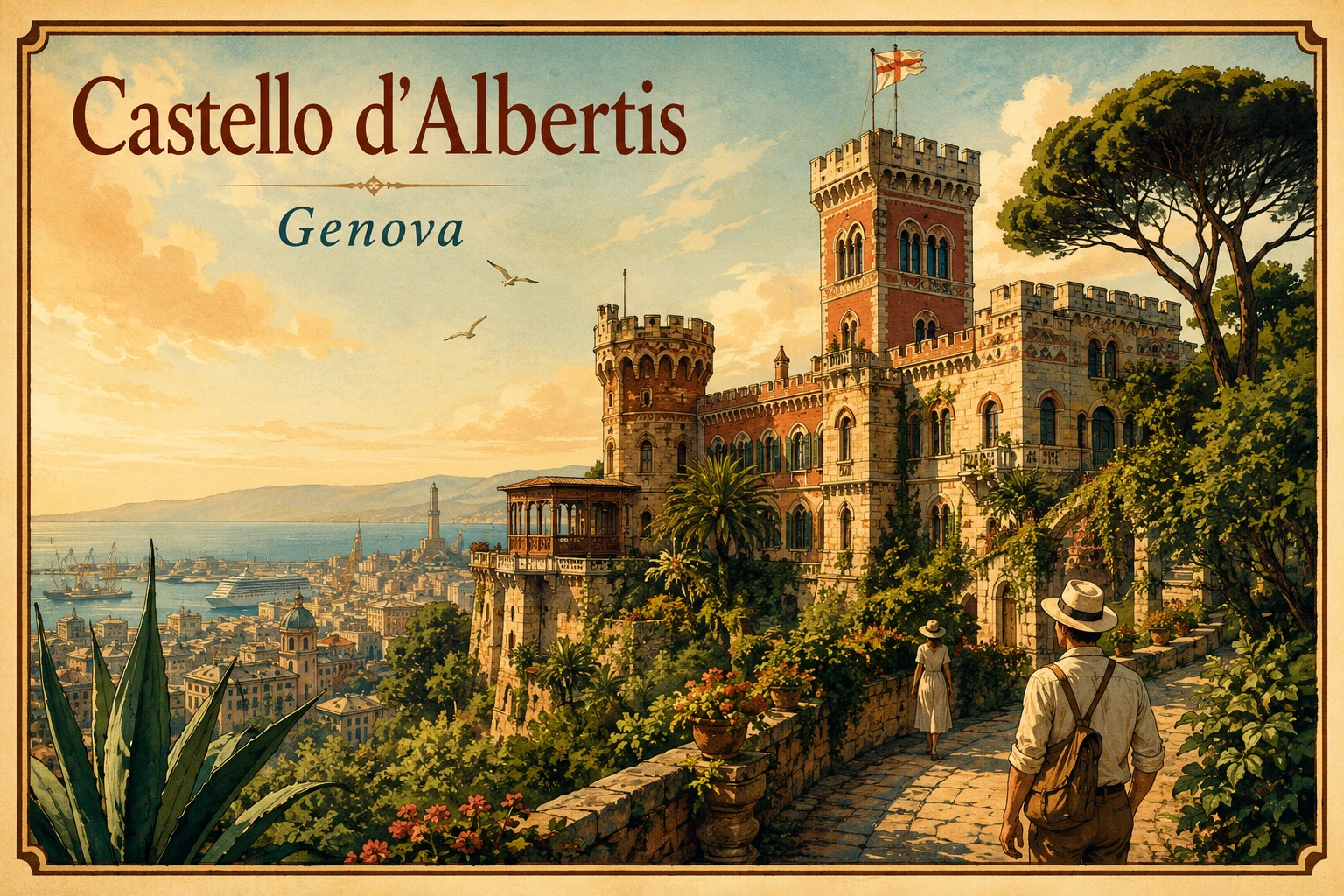
Tip: Spianata Castelletto and Castello d'Albertis are best when the air is clear.
The Ligurian coast is easier by rail than by car for many short trips.
Tip: Nervi, Camogli, Santa Margherita, and other coastal towns are easier by train.
Genoa softens after the busiest visitor hours.
Tip: The harbor, Piazza De Ferrari, and old-town restaurants feel different after day-trippers leave.
Avoid the assumptions that make Genoa feel confusing, rushed, or only like a cruise-port stop.
That misses the palaces, old-town lanes, food culture, hills, and coastal rhythm.
Instead: Give Genoa at least two days if your itinerary allows.
The caruggi can be narrow, stepped, and confusing with bags.
Instead: Drop luggage before exploring or choose a stay with easy access.
The facades are only part of the Palazzi dei Rolli experience.
Instead: Visit at least one interior on or near Via Garibaldi.
The village is more atmospheric when the light softens and the day slows down.
Instead: Go in late afternoon and stay toward sunset.
Central lanes and traffic rules can be stressful and costly.
Instead: Use trains, buses, taxis, or park outside the tightest center.
Genoa climbs quickly from the water, and maps can hide elevation.
Instead: Use lifts, funiculars, and realistic walking times.
Coastal transport changes by season, weather, and time of day.
Instead: Check schedules before committing to a day-trip plan.
The harbor is useful and lively, but it is not the whole city.
Instead: Add Via Garibaldi, the cathedral, old-town lanes, and a viewpoint.
Genoa's food is one of the best ways to understand the city.
Instead: Build in a bakery stop, market wander, or food tour.
Some areas feel lively and welcoming, while others can feel quiet or confusing.
Instead: Choose evening routes around busier restaurants, squares, and well-lit streets.